
Safe Streets, Thriving Downtown
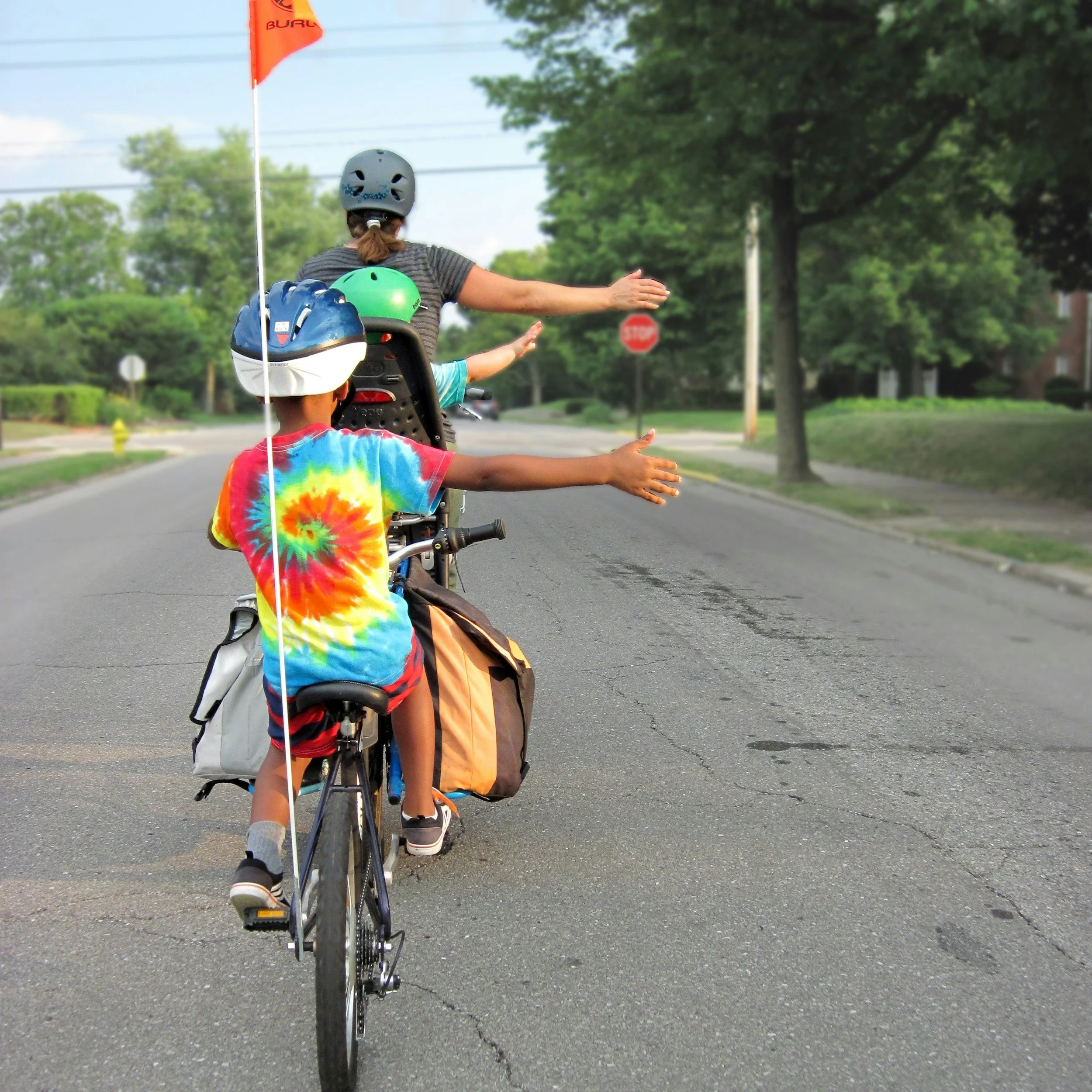
Building a Lafayette where everyone gets around safely and downtown thrives because of it.
Lafayette is a special place. Our tree-lined streets, strong schools, and tight-knit community make it one of the most desirable places to live in the Bay Area. Our downtown could be the heart of that community, a place where neighbors meet, families gather, and local businesses grow.
Lafayette has come a long way thanks to the effort of the citizens who came before us and we want to continue that tradition by making it even better for everyone
Lafayette can be better. Not by changing what makes Lafayette great, but by making it safer and easier for everyone to enjoy it, whether you arrive by car, on foot, or on two wheels. This page shares the data, the vision, and the concrete steps we’re asking our city to take.
Why Families Are Paying Attention
Lafayette parents love this community. And most of us have had the same quiet worry: is it safe for my kid to walk or ride to downtown?
“Our goal isn’t to change how Lafayette feels. It’s to make sure every family, including those without a car, can safely reach and enjoy our downtown.”
That worry is well-founded. Traffic crashes are the leading cause of death for children over the age of 4 and for adults under 30 — not just nationally, but globally. In recent years, crash deaths in the United States have been rising again, in part because of the growing prevalence of larger vehicles like SUVs, which research shows are significantly more dangerous to people outside of cars. One US study found that children are 8 times more likely to be killed when struck by an SUV than by a traditional passenger car.
Across the country, the number of children who walk or bike to school has fallen from nearly half of all kids in the 1970s to just 1 in 10 today. When researchers ask families why, the most common answer is simple: traffic. Not distance. Not weather. Traffic danger.
Lafayette’s downtown corridor, particularly the area around Mt. Diablo Boulevard and Moraga Road, is a known concern for families, seniors, cyclists, and pedestrians and has been documented in multiple studies over the past 20 years. We can do better, and we believe our city is ready to.
The Economic Case for Safer Streets
Here’s something that might surprise you: safer, more walkable streets are good for downtown businesses.
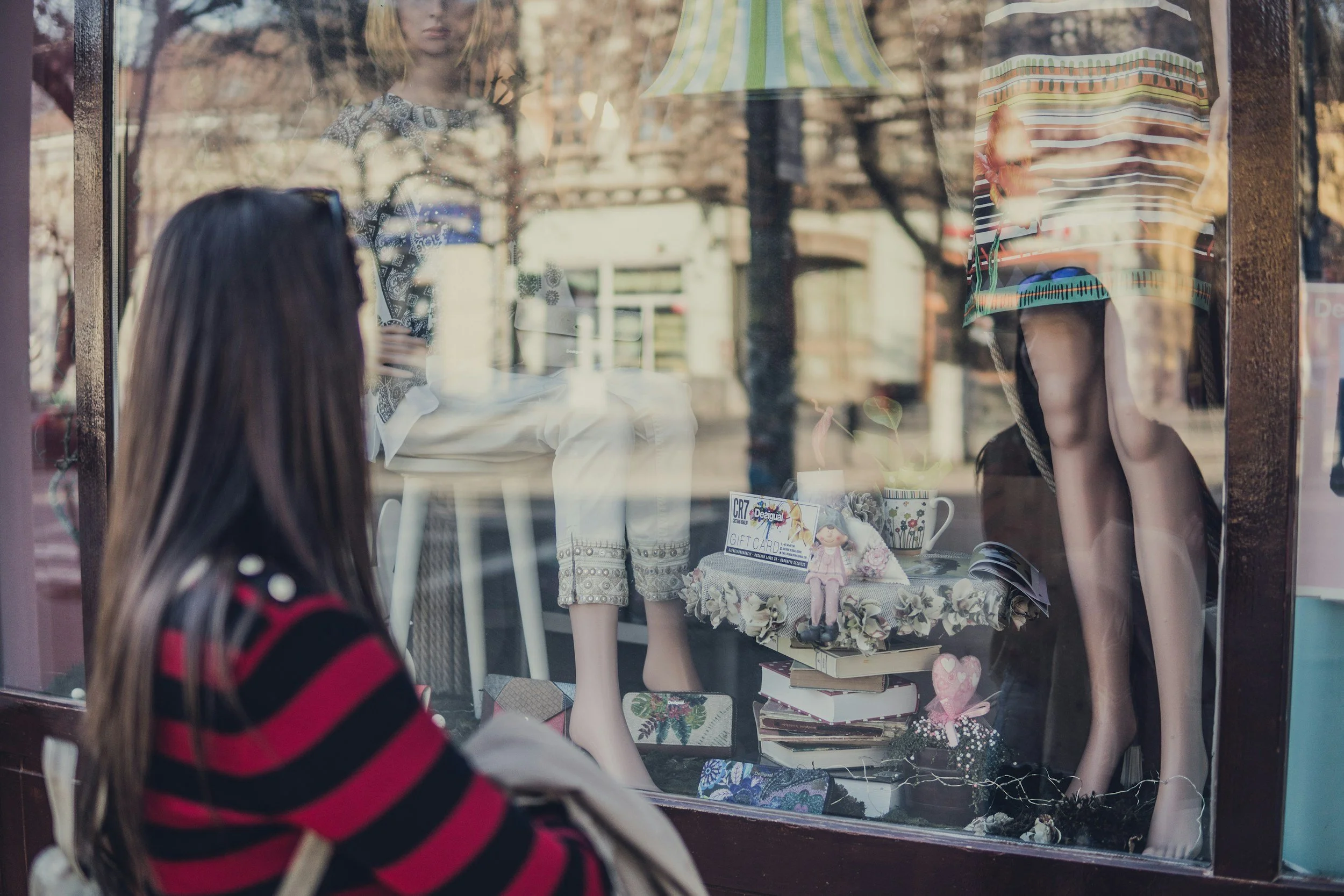
The connection between pedestrian safety and economic vitality is well established. When people feel safe walking and gathering in a downtown area, they spend more time there and more money. Studies across the US and Europe consistently show that walkable downtown corridors generate more retail revenue per block than car-dependent ones.
There’s also a hidden cost worth understanding. Parking that appears “free” isn’t actually free. The cost of building and maintaining parking infrastructure gets embedded into the price of every good and service sold nearby. That means every Lafayette resident whether they drove, walked, or biked downtown, is paying for parking through higher prices at local shops and restaurants. When cities reduce parking minimums in downtown corridors and reinvest that land into pedestrian and public space, the result is lower costs for businesses and customers alike.
Research published in the Journal of Transport Geography in 2024 found that in the European Union, car infrastructure costs society money on net, while walking and cycling infrastructure generates a net positive economic return, primarily through health and productivity benefits. The lesson for Lafayette: investing in safe streets and multi-use paths isn’t a cost. It’s an investment with a real return for our downtown economy.
Lafayette’s schools are underfunded. Our city budget is stretched. External visitors spending money in a vibrant, walkable downtown is one of the most effective ways to bring new revenue into our community without raising taxes.
The Data Behind Our Ask
The following findings come from a peer-reviewed study published in the Journal of Transport Geography (Miner et al., 2024), one of the most comprehensive global reviews of traffic safety and community design published in recent years.
On Crashes & Safety
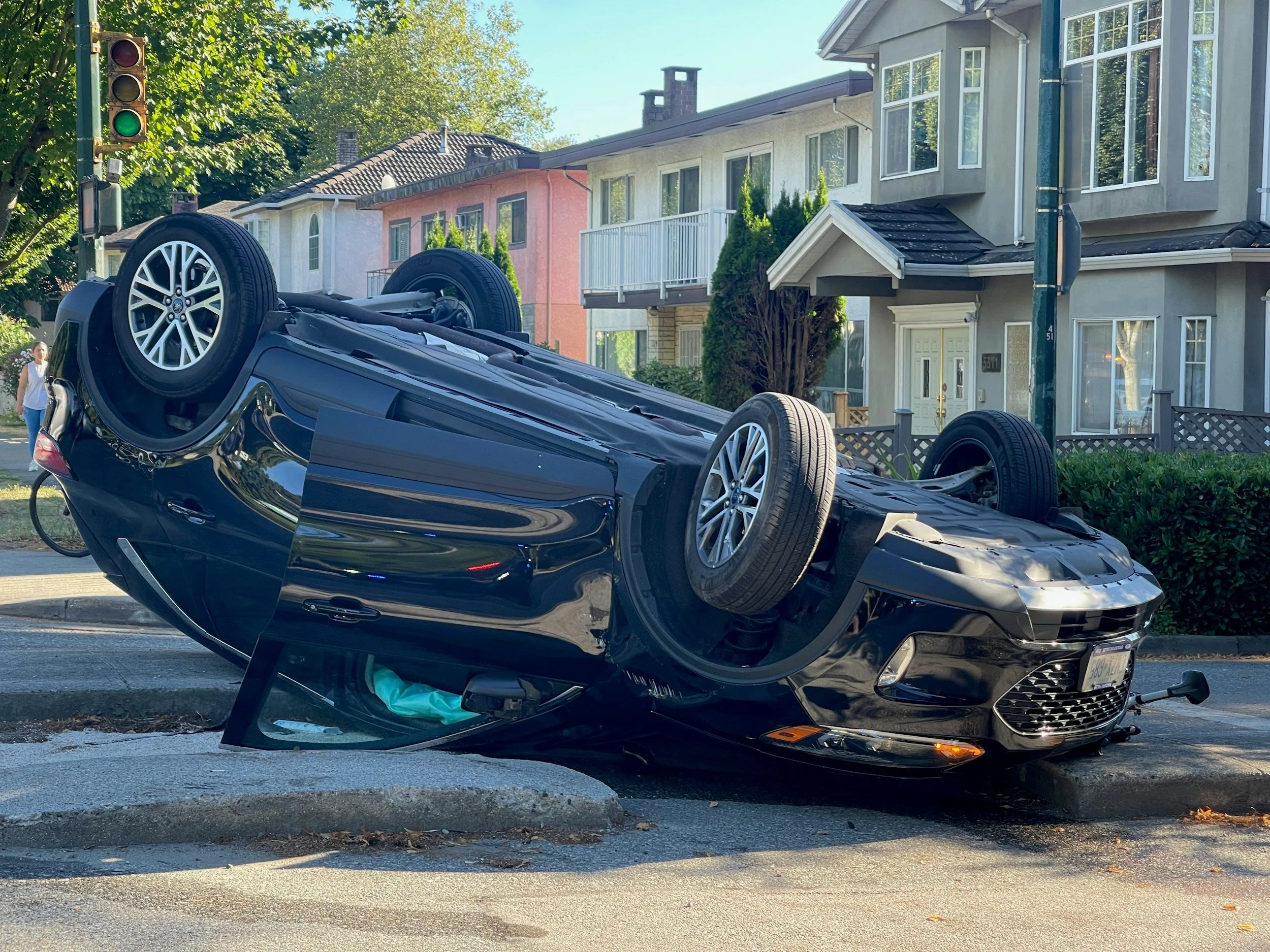
In 2019, 43% of crash victims were pedestrians, cyclists, or wheelchair users — people outside of cars
In the US, crash death rates — which had been declining — have begun rising again, driven in part by larger vehicle sizes
Traffic crashes are the 8th leading cause of death globally
They kill more than 700 children every day worldwide
On Children & Activity

Children who are driven everywhere have less knowledge of their neighborhoods, fewer opportunities for outdoor play, and fewer chances to develop independent judgment and risk assessment skills
The danger posed by traffic is the primary reason families cite for not allowing children to walk or bike independently
On Broader Community

Car-dependent environments disproportionately affect seniors, children, people with disabilities, and those without access to a car — often the most vulnerable members of our community
Social isolation — a known consequence of environments where you can’t get anywhere without driving — is associated with increased risk of cardiovascular disease, cognitive decline, and premature mortality
What We’re Asking For
Our requests are focused, practical, and centered on the downtown corridor. We are not asking to remove parking or restrict car access to Lafayette. We are asking our city to prioritize safety and community investment in the places where people most want to gather.
-
We specifically advocate for protected multi-use paths — separated from vehicle traffic and shared by pedestrians and cyclists together.
Unlike on-street bike lanes, multi-use paths are comfortable and accessible for children learning to ride, seniors who want to walk without traffic nearby, and families with strollers. They’re the infrastructure that actually gets used.
We want to connect Lafayette’s residential neighborhoods to downtown in a way that feels safe for an 8-year-old and an 80-year-old alike.
-
The current method to have a safe street is for an individual citizen speak to and request signatures from their neighbors in order to submit a Traffic Calming Request. This request is then submitted to the City’s Transportation Manager who prioritizes them each year. Most do not get approved due to budget, impact, or “need.” Even worse, when streets with traffic calming measures do get repaved, the traffic calming measures can be removed permanently.
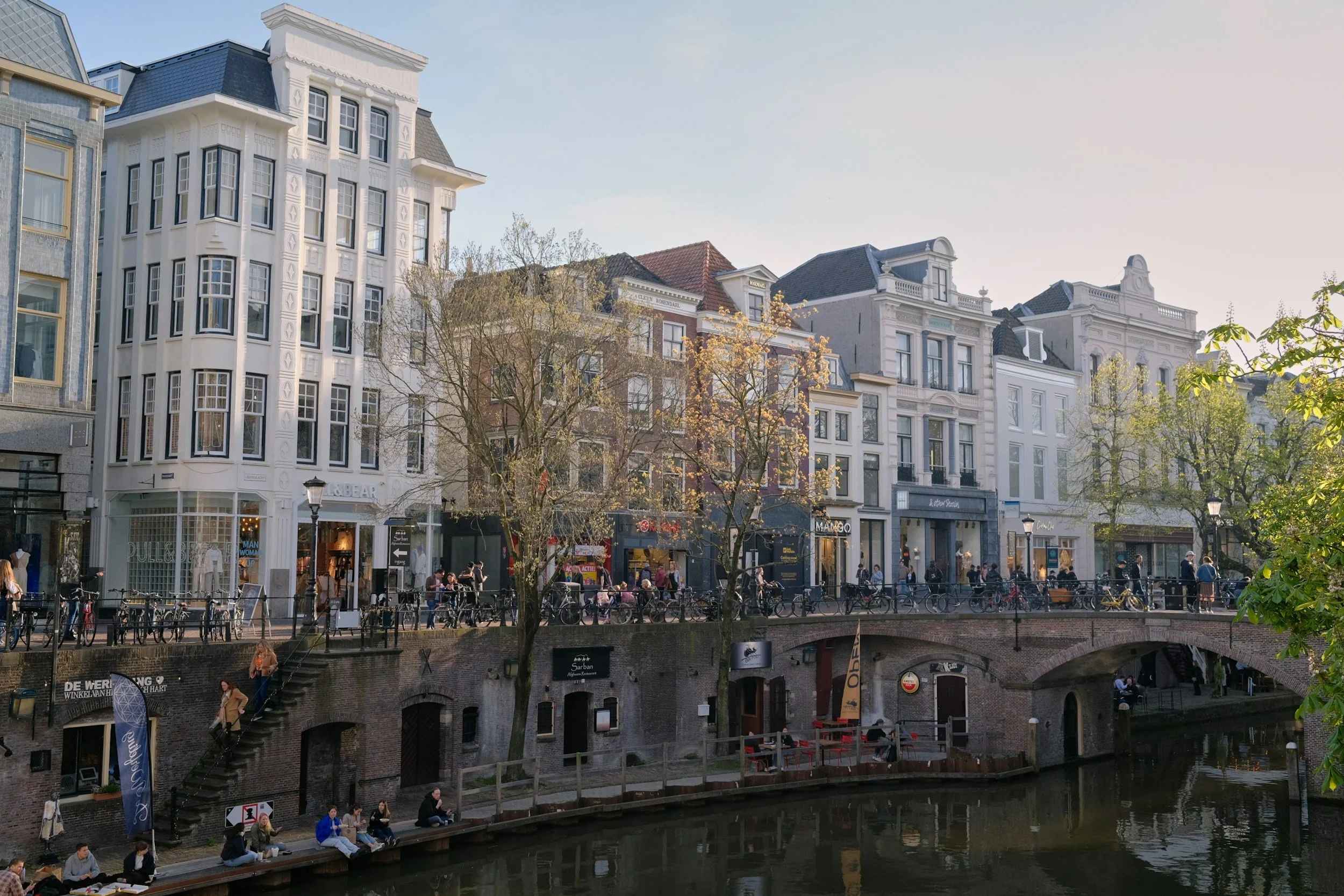
In countries like the Netherlands, streets have safety built into them during routine maintenance. When a major project or routine repaving is scheduled, the local government adds in traffic calming measures by default.
These updates include raised crosswalks, chicances, and other features to make streets for everyone, not just cars.
-
Wider sidewalks, better lighting, more seating, and public gathering spaces in the downtown corridor. The goal is a downtown where people want to linger — which is exactly what local businesses need.
-
Cities from Bogotá to Walnut Creek have experimented with temporary open streets events — closing a block or two to through traffic for a few hours on a weekend to create a community gathering space. These events are temporary, voluntary, and have proven enormously popular with families and local businesses alike. We’d love to see Lafayette try one.
-
We’re asking the city to examine whether current parking requirements in the downtown corridor are optimally serving businesses and the community — not to eliminate parking, but to ensure that land is being used in ways that maximize downtown vitality.
-
With Traffic Calming Requests taking more than a year to complete, if they are approved, there needs to be a process to allow citizens to privately fund and implement traffic calming measures that meet the city, county, and state’s regulations.
Additionally, there are plenty of small improvements we could be adding, such as benches along Mt. Diablo for seniors walking to and from the grocery store.
It’s Working in Communities Like Ours
Lafayette isn’t alone in wrestling with these questions. Comparable communities have found that targeted, downtown-focused safety investments pay off — for families and for local economies.
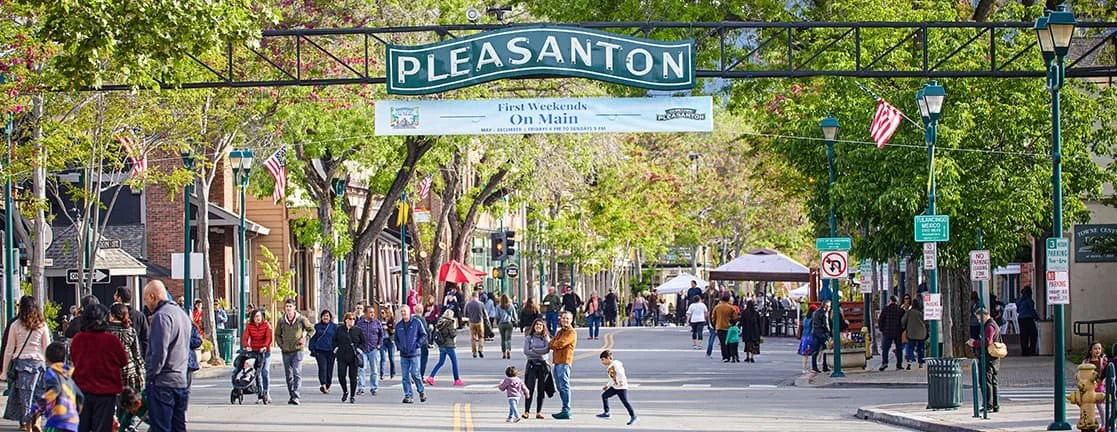
Pleasanton, California
Developed a connected trail and path network linking its residential neighborhoods to its historic downtown, with multi-use paths specifically designed for families. Downtown foot traffic and business revenue measurably increased following the investment.
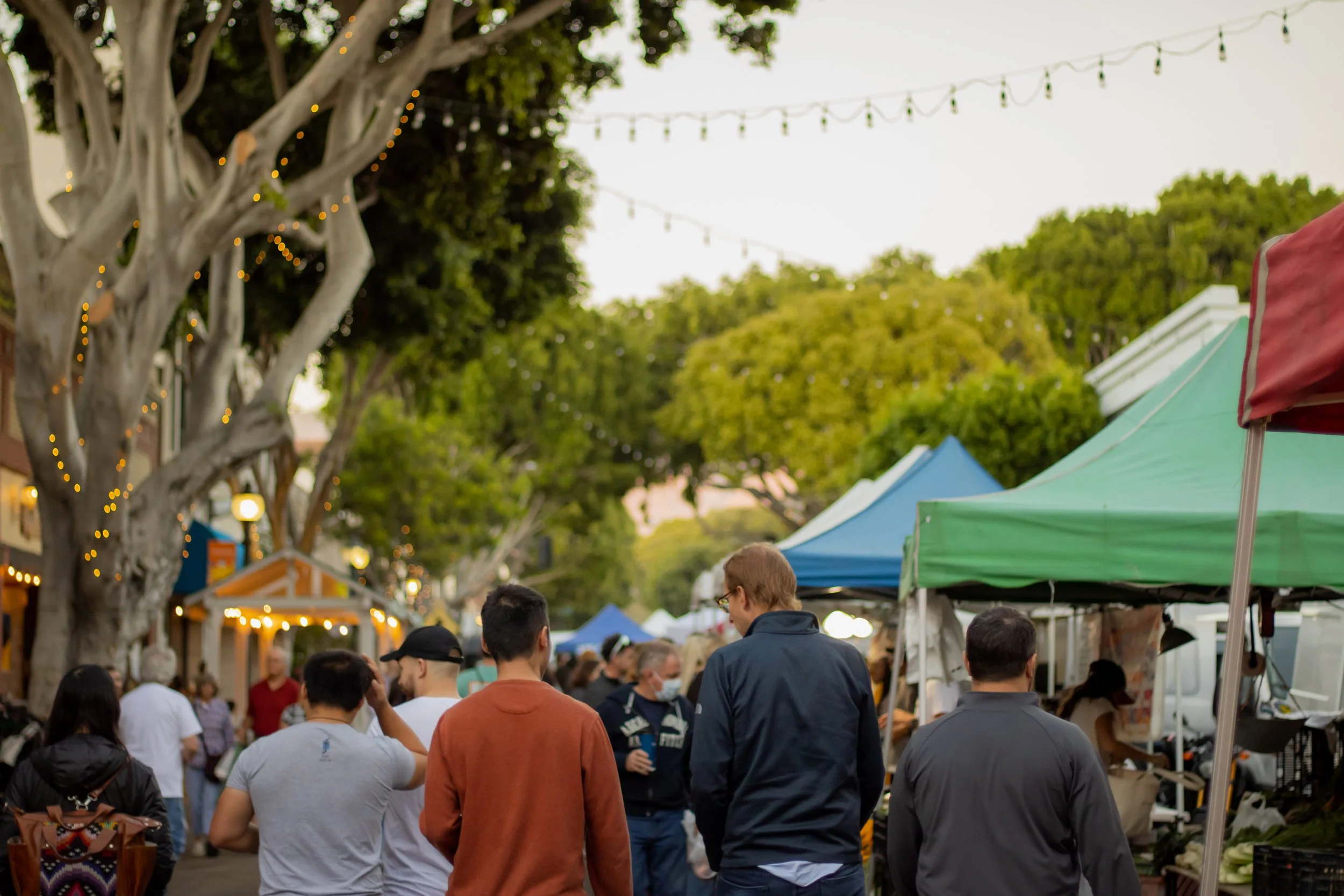
San Luis Obispo, California
Implemented traffic calming and expanded its downtown pedestrian zone, and its downtown has become one of the most economically productive in California on a per-block basis, despite being a mid-sized suburban city.
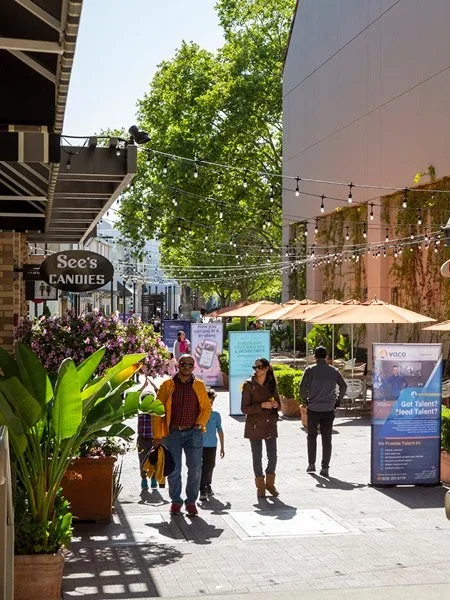
Walnut Creek, California
Invested in pedestrian infrastructure in its downtown core while maintaining its suburban character throughout the rest of the city. The result is a downtown that draws visitors from across the region — and tax revenue that benefits the entire community.
These aren’t European cities reimagined from scratch. They’re California towns and suburbs that made targeted investments in their downtown corridors — and saw their communities benefit.
Join Us
Lafayette’s best days are ahead. A downtown where kids can safely bike over for a weekend treat, where seniors can walk to a local restaurant without navigating a dangerous intersection, and where visitors from across the Lamorinda area come to spend time and money — that’s the Lafayette we’re working toward.
Stay Connected
Our newsletter is a great way for you to stay up to date on the latest in downtown Lafayette. We share community news, project updates, and simple ways for you to get involved…
Volunteer
Would you like to join our group to make Lafayette an even better place as a volunteer? We need people with all sorts of skills to make meaningful changes. Volunteer roles can be as little as 1 hour per month.
ReferenceThe safety data referenced on this page is drawn from: Miner P., Smith B.M., Jani A., McNeill G., Gathorne-Hardy A. (2024). Car harm: A global review of automobility’s harm to people and the environment. Journal of Transport Geography, 115, 103817.